
Table of Contents
ToggleGaming accessories tips can make the difference between an average setup and a winning one. The right gear improves performance, comfort, and overall enjoyment during gaming sessions. But with thousands of products flooding the market, choosing wisely becomes essential. This guide breaks down practical gaming accessories tips to help gamers select, use, and maintain their equipment effectively. Whether someone plays casually or competitively, these insights will sharpen their setup without wasting money on unnecessary gadgets.
Key Takeaways
- Assess your gaming needs first—platform, play style, and budget—before purchasing any gaming accessories.
- Prioritize quality over quantity: fewer well-made accessories outperform a collection of cheap alternatives in durability, comfort, and performance.
- Essential gaming accessories for any setup include a quality headset, reliable input devices, a proper mousepad, and ergonomic seating.
- Maintain your gear regularly by cleaning, updating firmware, and replacing worn components to extend lifespan and preserve performance.
- Research mid-range options carefully, as they often deliver the best value without paying for unnecessary premium features.
Identify Your Gaming Needs First
Before buying any gaming accessories, gamers should assess their specific needs. A first-person shooter player requires different gear than someone who enjoys simulation games. Understanding play style, preferred genres, and gaming frequency helps narrow down the options.
Consider these questions before shopping:
- What platform do you use? PC gamers need different accessories than console players. A mechanical keyboard matters little to someone gaming exclusively on PlayStation.
- How many hours do you play weekly? Casual gamers may not need premium ergonomic equipment, while heavy users benefit from comfort-focused accessories.
- What’s your budget? Setting a realistic price range prevents impulse purchases and buyer’s remorse.
Gaming accessories tips often overlook this step, but it’s foundational. A streamer needs a quality microphone and webcam. A competitive esports player prioritizes a high-refresh-rate monitor and low-latency mouse. Someone who games for relaxation might value a comfortable headset with great audio immersion instead.
Write down a priority list. Rank accessories from most important to least important based on actual gaming habits. This simple exercise saves money and ensures each purchase adds real value to the setup.
Prioritize Quality Over Quantity
One of the best gaming accessories tips is simple: buy fewer items but choose better ones. A drawer full of cheap peripherals serves no one well. Quality accessories perform better, last longer, and feel more satisfying to use.
Here’s why quality matters:
Durability, Premium accessories use better materials. A $100 mechanical keyboard can last a decade with proper care. A $20 membrane keyboard might fail within two years.
Performance, Higher-quality gaming mice offer better sensors, faster response times, and more reliable tracking. These differences affect gameplay, especially in competitive scenarios.
Comfort, Cheap headsets cause ear fatigue. Budget chairs hurt backs. Quality ergonomic gaming accessories tips always emphasize investing in comfort because gaming sessions can stretch for hours.
This doesn’t mean spending the most money guarantees the best results. Research matters. Read reviews from trusted sources. Watch comparison videos. Check user feedback on forums and retail sites.
Some mid-range accessories outperform expensive alternatives. The sweet spot often sits between budget and premium tiers. Look for gaming accessories that offer the features needed without paying for unnecessary bells and whistles.
Remember: one excellent controller beats three mediocre ones every time.
Essential Accessories for Every Gamer
Certain gaming accessories benefit nearly everyone regardless of platform or genre. These items form the core of any solid setup.
Headsets
A quality gaming headset delivers clear audio and reliable communication. Look for comfortable ear cushions, adjustable headbands, and decent microphone quality. Wireless options offer freedom of movement, while wired headsets avoid battery concerns and latency issues.
Controllers and Input Devices
PC gamers often debate mouse-and-keyboard versus controller. The answer depends on the game. Shooters favor mouse precision. Racing games and platformers feel better with controllers. Owning both options provides flexibility.
For mouse users, gaming accessories tips suggest prioritizing sensor quality, weight customization, and programmable buttons. Keyboard users should consider switch types, mechanical switches offer better feedback and durability than membrane alternatives.
Mousepads and Desk Accessories
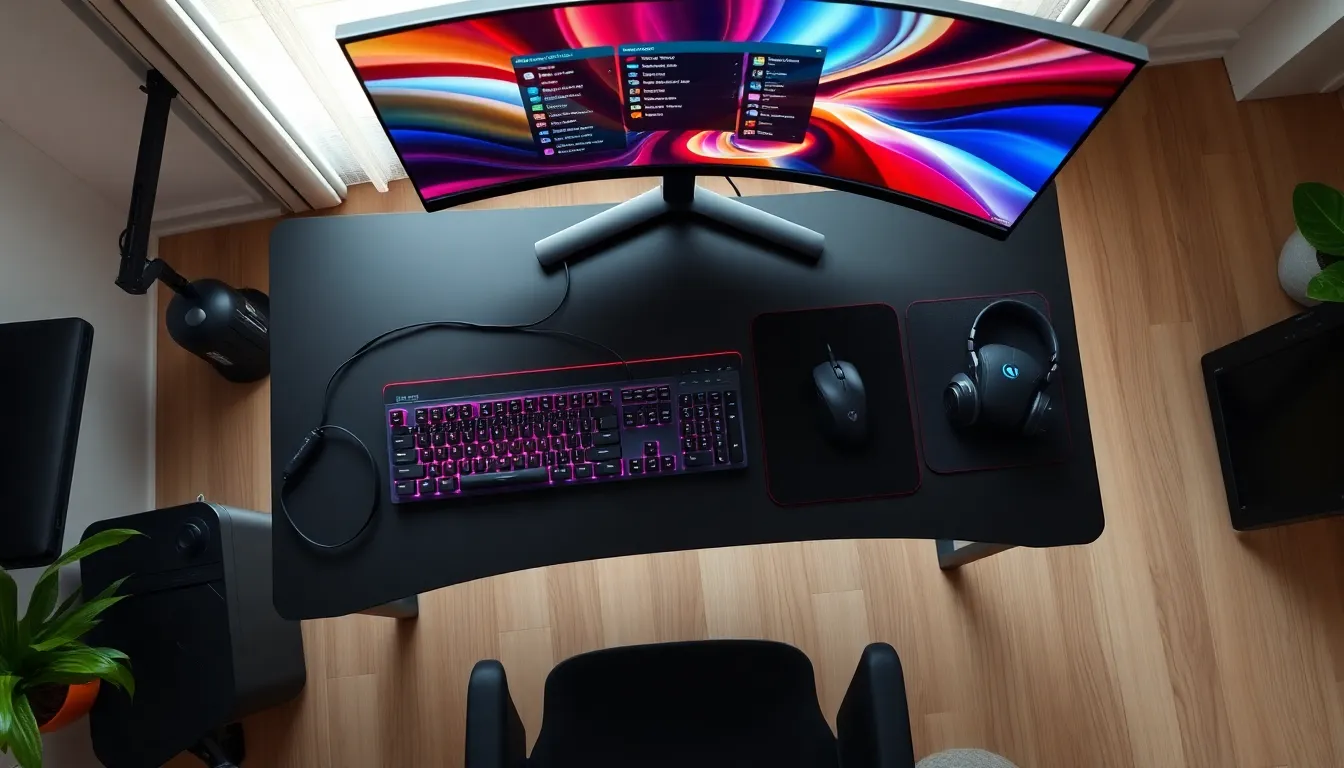
A proper mousepad improves tracking consistency. Large extended pads protect desks and provide ample space for low-sensitivity players. Cable management accessories keep setups clean and prevent tangled wires from interfering with gameplay.
Monitors and Display Accessories
A fast monitor with high refresh rates (144Hz or higher) enhances visual smoothness. Monitor arms and stands improve ergonomics by positioning screens at eye level. Blue light glasses reduce eye strain during extended sessions.
Chairs and Ergonomic Support
Gaming chairs get mixed reviews, but proper seating matters. Lumbar support, adjustable armrests, and breathable materials contribute to healthier gaming habits. Some gamers prefer ergonomic office chairs over branded gaming chairs for better long-term comfort.
Maintain Your Gear for Longevity
Gaming accessories represent an investment. Proper maintenance extends their lifespan and keeps them performing well.
Clean regularly. Dust accumulates in keyboards, mice, and headsets. Use compressed air to clear debris from switches and vents. Wipe surfaces with microfiber cloths. Clean ear cushions with mild disinfectant wipes.
Store properly. Don’t toss controllers into drawers where they bang against other items. Use stands, hooks, or dedicated storage solutions. Keep cables coiled loosely to prevent internal wire damage.
Update firmware and drivers. Many gaming accessories receive software updates that fix bugs or improve performance. Check manufacturer websites periodically for the latest versions.
Replace worn components. Ear cushions flatten over time. Keycaps wear down. Mouse feet lose their glide. These parts are often replaceable without buying entirely new accessories. Swapping worn components refreshes equipment at a fraction of the replacement cost.
Avoid extreme conditions. Heat, humidity, and direct sunlight damage electronics and plastics. Store gaming accessories in climate-controlled environments when possible.
Following these gaming accessories tips protects purchases and ensures consistent performance. A well-maintained headset sounds better than a neglected one. A clean keyboard responds more reliably. Small maintenance habits compound into significant benefits over time.


