
Table of Contents
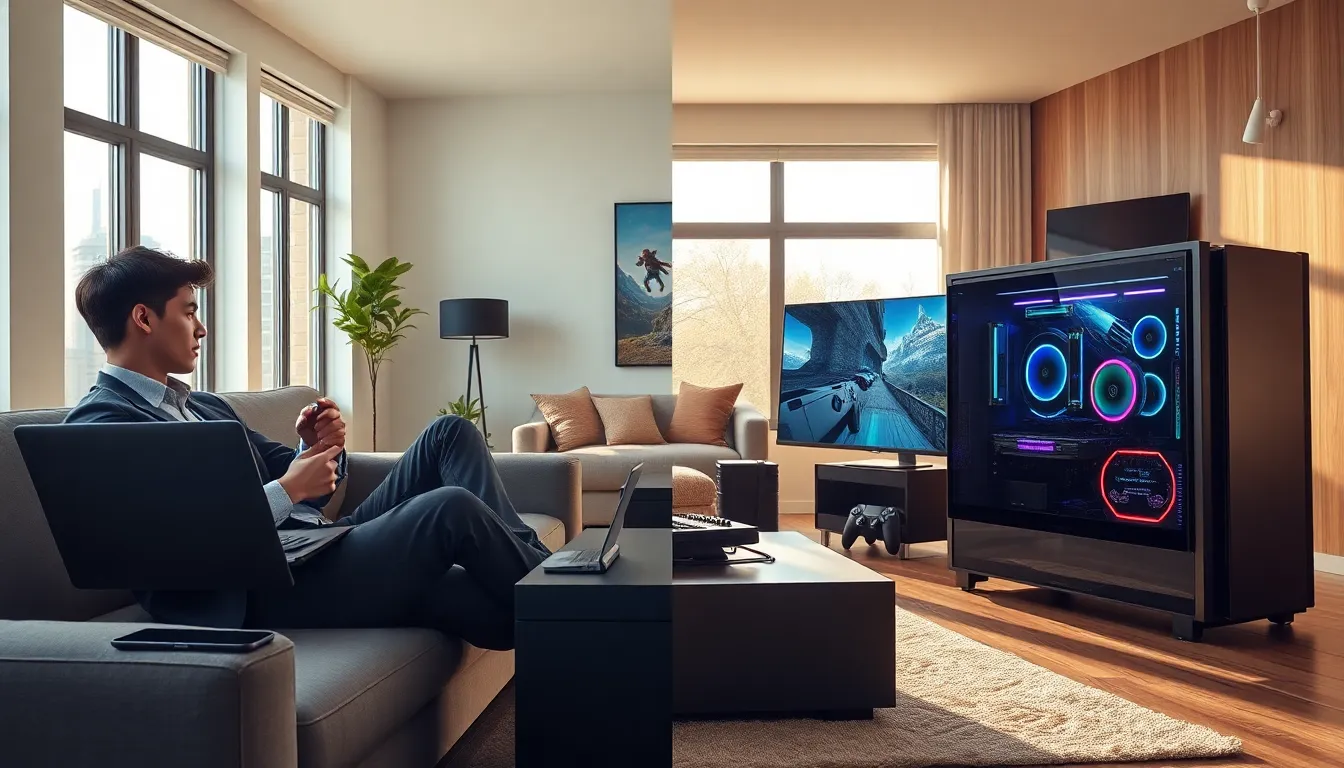
ToggleGame streaming vs. traditional gaming is a debate that shapes how millions of players experience their favorite titles. Cloud gaming services let users play high-end games on almost any device, while traditional gaming relies on dedicated hardware like consoles or gaming PCs. Each approach offers distinct advantages and drawbacks. Understanding these differences helps gamers make smarter choices about where to invest their time and money. This guide breaks down performance, cost, and convenience factors so readers can decide which option fits their lifestyle best.
Key Takeaways
- Game streaming vs traditional gaming ultimately depends on your budget, internet quality, and how often you play.
- Game streaming eliminates expensive hardware costs but requires a stable internet connection (50Mbps minimum) for smooth gameplay.
- Traditional gaming offers offline play, game ownership, and better performance for competitive titles that demand minimal input lag.
- Streaming subscriptions ($10–$20/month) spread costs over time, while traditional gaming requires $400–$2,000 upfront but may cost less long-term.
- A hybrid approach—streaming casual games while using dedicated hardware for competitive play—lets you enjoy the best of both worlds.
- As 5G and fiber networks expand, game streaming technology continues closing the performance gap with local play.
What Is Game Streaming?
Game streaming delivers video games from remote servers directly to a player’s device over the internet. The heavy processing happens in data centers, not on the user’s hardware. This means someone can play graphically demanding titles on a basic laptop, tablet, or even a smartphone.
Popular game streaming services include Xbox Cloud Gaming, NVIDIA GeForce NOW, and Amazon Luna. These platforms run games on powerful servers and stream the video feed to subscribers. Players send their controller inputs back to the server, which processes them and updates the game state in real time.
The appeal is obvious. Game streaming eliminates the need for expensive hardware upgrades. A player doesn’t need a $1,500 gaming PC or the latest console to enjoy new releases. They just need a stable internet connection and a compatible device.
But, game streaming depends entirely on network quality. High latency or slow speeds can cause input lag, visual artifacts, or disconnections. Players in areas with unreliable internet may find the experience frustrating.
How Traditional Gaming Differs
Traditional gaming runs games locally on dedicated hardware. This includes gaming PCs, PlayStation, Xbox, and Nintendo consoles. The device itself handles all processing, rendering, and storage.
This setup offers several key benefits. First, traditional gaming doesn’t require an internet connection for single-player experiences. Players can enjoy their games offline without worrying about server outages or bandwidth limits.
Second, gamers own their hardware and often their games. Physical copies and downloaded titles remain accessible regardless of subscription status. If a streaming service shuts down or removes a game, subscribers lose access. Traditional gamers keep their libraries.
Third, traditional gaming gives players more control over settings. PC gamers, in particular, can adjust graphics options, install mods, and customize their experience. Game streaming platforms typically offer limited configuration options.
The trade-off? Traditional gaming requires significant upfront investment. A capable gaming PC costs between $800 and $2,000 or more. Current-generation consoles run $400 to $500. These costs create barriers for budget-conscious players.
Performance and Visual Quality Comparison
Performance separates game streaming vs. traditional gaming more than any other factor. Traditional setups deliver consistent frame rates and instant input response. Players feel connected to their actions without noticeable delay.
Game streaming introduces latency by nature. Input travels to a remote server, the server processes it, and video streams back. Even with excellent internet, this round trip adds milliseconds of delay. For casual games, this barely matters. For competitive shooters or fighting games, it can mean the difference between winning and losing.
Visual quality also differs. Traditional gaming on high-end hardware produces sharp, detailed images at native resolution. Game streaming compresses video to reduce bandwidth requirements. This compression can cause visual artifacts, especially during fast-moving scenes.
That said, game streaming technology improves rapidly. Services like GeForce NOW now support 4K streaming at 120fps for subscribers with strong connections. The gap between streaming and local play continues to shrink.
Players should test both options with their specific internet setup. A 100Mbps connection with low latency handles game streaming well. A congested network sharing bandwidth with multiple devices may struggle.
Cost Considerations for Each Option
Cost analysis reveals interesting differences between game streaming vs. traditional gaming. Game streaming uses a subscription model. Services typically charge $10 to $20 per month for access to their libraries or streaming capabilities.
This approach spreads costs over time. A player spends $120 to $240 annually instead of $500 or more upfront on hardware. For those who game occasionally or want to try new titles without commitment, subscriptions make financial sense.
Traditional gaming demands larger initial investments. Beyond the console or PC, players buy games individually at $60 to $70 for new releases. They also purchase accessories, pay for online multiplayer subscriptions, and eventually upgrade hardware.
But traditional gaming can cost less long-term. Hardware lasts several years. Game prices drop significantly after launch. Used games and sales reduce spending further. A patient traditional gamer might spend less over five years than a continuous streaming subscriber.
The best choice depends on playing habits. Heavy gamers who play daily may prefer owning hardware. Casual players who game a few hours weekly often find streaming more economical.
Choosing the Best Option for Your Needs
Selecting between game streaming vs. traditional gaming comes down to personal priorities and circumstances.
Choose game streaming if:
- Budget limits upfront hardware purchases
- Internet connection is fast and reliable (50Mbps minimum, 100Mbps+ preferred)
- Playing on multiple devices matters
- Storage space is limited
- Trying many different games appeals more than mastering specific titles
Choose traditional gaming if:
- Competitive gaming requires minimal input lag
- Offline play is important
- Owning games permanently matters
- Customization and modding are priorities
- Long-term cost efficiency is the goal
Some players use both. They stream casual games on their laptop during travel and play competitive titles on their home setup. This hybrid approach captures benefits from each method.
Internet infrastructure continues to improve globally. As 5G networks expand and fiber connections reach more homes, game streaming becomes viable for larger audiences. Traditional gaming isn’t going anywhere, but streaming now offers a legitimate alternative for many players.


