
Table of Contents
ToggleThis Nintendo 64 guide covers everything collectors and retro gaming fans need to know about one of the most beloved consoles ever made. Released in 1996, the N64 brought 3D gaming into living rooms across the world and created memories that still resonate today. Whether someone is hunting for their first console or expanding an existing collection, this guide breaks down the history, hardware, must-have games, and practical tips for getting the most out of this classic system.
Key Takeaways
- This Nintendo 64 guide covers essential hardware, must-have games, and maintenance tips for collectors and retro gaming enthusiasts.
- The N64 sold 32.93 million units worldwide and introduced analog stick controls and four-player local multiplayer to mainstream gaming.
- Essential accessories include the Expansion Pak (required for games like Donkey Kong 64 and Majora’s Mask) and Controller Pak for saving game data.
- Must-play titles include Super Mario 64, The Legend of Zelda: Ocarina of Time, GoldenEye 007, and Mario Kart 64.
- When buying a used console, test it with multiple games, check for bent cartridge pins, and inspect the controller’s analog stick for wear.
- Clean cartridge contacts with 90%+ isopropyl alcohol instead of blowing into them to prevent corrosion and extend your collection’s lifespan.
A Brief History of the Nintendo 64
Nintendo released the Nintendo 64 in Japan on June 23, 1996. North America received the console on September 29, 1996, and Europe followed in March 1997. The system launched with just two games in North America: Super Mario 64 and Pilotwings 64. That limited lineup didn’t stop the N64 from selling 500,000 units in its first four months.
The Nintendo 64 represented a bold move by Nintendo. While competitors like Sony’s PlayStation used CD-ROMs, Nintendo stuck with cartridges. This decision had trade-offs. Cartridges loaded games faster and proved harder to pirate. But, they cost more to produce and held less data than CDs. Many third-party developers moved to PlayStation because of these limitations.
Even though the challenges, the Nintendo 64 sold 32.93 million units worldwide during its lifespan. The console introduced analog stick controls to a mainstream audience and popularized four-player local multiplayer. Games like GoldenEye 007 and Mario Kart 64 became synonymous with split-screen gaming nights.
Nintendo discontinued the N64 in 2002, but the console’s legacy endures. Many games from this era still appear on “best of all time” lists. The Nintendo 64 guide wouldn’t be complete without acknowledging how this system shaped modern gaming conventions.
Essential Hardware and Accessories
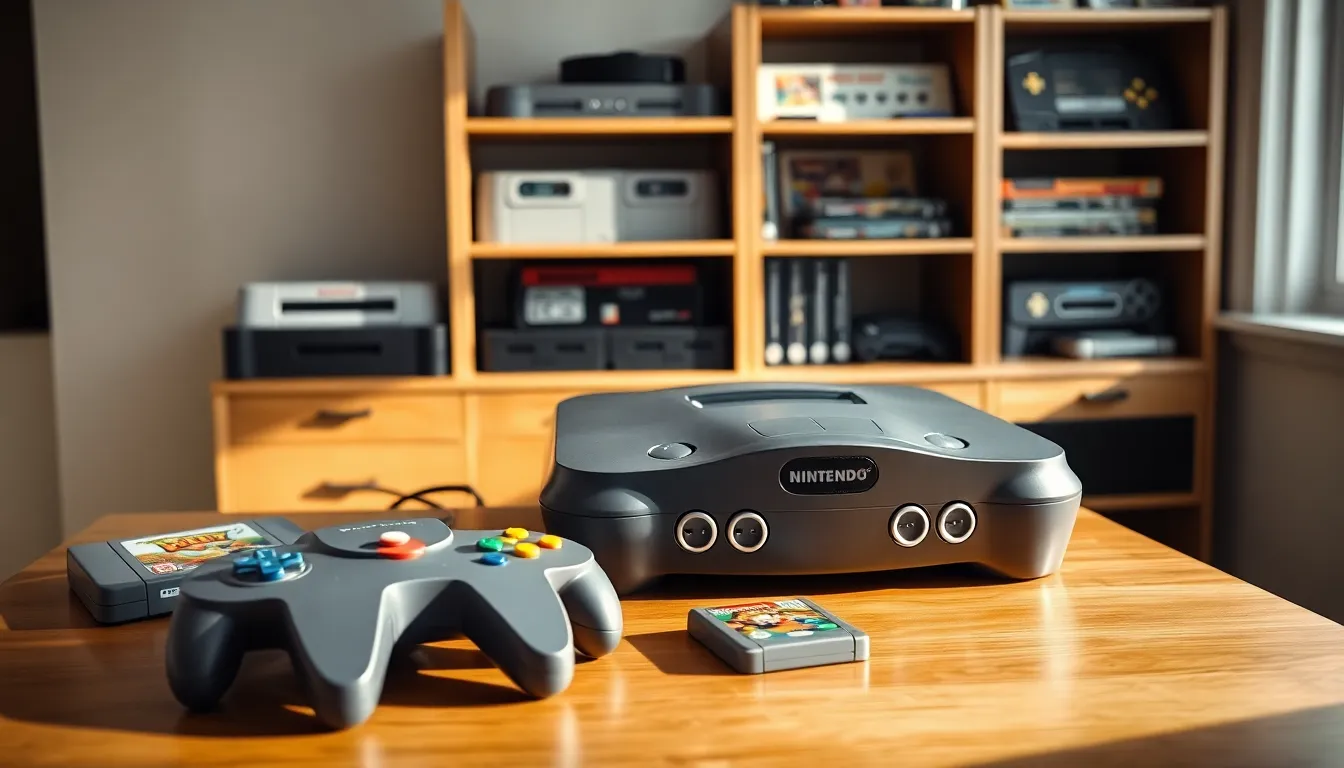
Any Nintendo 64 guide should start with the basics. The standard console package included the system, one controller, AV cables, and a power supply. Buyers today need to verify all components are present and functional.
The Controller
The N64 controller looks unusual by modern standards. Its three-pronged design confused some players initially, but it allowed for different grip positions depending on the game. The analog stick was groundbreaking in 1996. Unfortunately, these sticks wear down over time. Loose or unresponsive sticks are common in used controllers. Replacement parts and refurbished controllers are available from various sellers.
Memory Cards and Expansion Pak
The Controller Pak plugged into the back of controllers and saved game data. Not all games required one, many titles saved directly to the cartridge. The Expansion Pak was different. This accessory fit into the console’s memory slot and doubled the system’s RAM from 4MB to 8MB. Some games required the Expansion Pak to run at all, including Donkey Kong 64 and The Legend of Zelda: Majora’s Mask. Others used it for enhanced graphics or additional features.
Rumble Pak
Nintendo introduced force feedback to home consoles with the Rumble Pak in 1997. This accessory provided vibration during gameplay. Star Fox 64 was the first game to support the feature. The Rumble Pak required two AAA batteries and added weight to the controller.
Video Output Options
The Nintendo 64 outputs composite video by default. Collectors seeking better picture quality can pursue S-Video cables or aftermarket HDMI adapters. These upgrades make games look sharper on modern televisions.
Must-Play Games for Your Collection
The Nintendo 64 library contains around 388 games released in North America. Not all of them hold up, but the best titles remain genuinely fun today. This Nintendo 64 guide highlights the essentials.
Super Mario 64 defined 3D platforming. It launched with the console and still plays well. The Legend of Zelda: Ocarina of Time regularly appears on lists of the greatest games ever made. Its sequel, Majora’s Mask, offers a darker tone and unique time-loop mechanic.
GoldenEye 007 popularized first-person shooters on consoles. The multiplayer mode consumed countless hours for players in the late 1990s. Perfect Dark, from the same developer, expanded on that formula with more weapons and modes.
Racing fans should grab Mario Kart 64 and Diddy Kong Racing. Both support four players and remain party favorites. F-Zero X offers faster, more challenging races for solo players.
Super Smash Bros. started the crossover fighting series that continues today. Mario Party and its sequels invented the board game party genre. Banjo-Kazooie and Banjo-Tooie provided excellent platforming alternatives to Mario.
Prices for Nintendo 64 games vary widely. Common titles sell for $10-20, while rare games like Conker’s Bad Fur Day can cost $100 or more. Condition matters, complete-in-box copies command premium prices.
Tips for Buying and Maintaining Your Console
Buying a used Nintendo 64 requires some caution. This section of the Nintendo 64 guide offers practical advice for smart purchases and long-term care.
Where to Buy
Local game stores, eBay, Facebook Marketplace, and retro gaming conventions all sell N64 consoles. Local stores often test their inventory before selling. Online purchases carry more risk but sometimes offer better prices. Always check seller ratings and return policies when buying online.
What to Check Before Buying
Test the console with multiple games if possible. Check the cartridge slot for bent pins or debris. Inspect the controller’s analog stick for looseness, push it in different directions and release to see if it centers properly. Verify all cables work. Replacement power supplies and AV cables are available, but factoring those costs into the purchase price makes sense.
Cleaning and Maintenance
Dirty cartridge contacts cause most Nintendo 64 problems. Isopropyl alcohol (90% or higher) and cotton swabs clean contacts effectively. Never blow into cartridges, moisture from breath can cause corrosion over time.
Store the console in a cool, dry place. Dust the vents periodically. Keep controllers in a case or drawer to protect the analog sticks.
Cartridge Care
Nintendo 64 cartridges are durable but not indestructible. Store them upright or in protective cases. Check battery-backed save games occasionally, internal batteries in some cartridges can die after 15-20 years, erasing saved data. Replacement batteries can be soldered in by experienced hobbyists.


