

In a world where binge-watching is a sport and streaming services are the new norm, one often overlooked hero emerges: voice quality. Picture this: you’re deep into your favorite show, and suddenly, the dialogue sounds like it’s coming from a tin can. Not exactly the cinematic experience one hopes for, right?
Streaming voice quality can make or break your entertainment experience. It’s not just about the visuals; it’s about hearing every whisper, joke, and plot twist clearly. With the right setup, even the most mundane conversations can feel like an Oscar-worthy performance. So, buckle up as we dive into the nitty-gritty of streaming voice quality and discover how to elevate your audio game without breaking the bank. After all, who wouldn’t want to hear every dramatic pause in crystal clear clarity?
Overview of Streaming Voice Quality
Streaming voice quality plays a crucial role in the overall entertainment experience. Poor voice quality can lead to frustration, detracting from a viewer’s enjoyment.
Importance of Streaming Voice Quality
Streaming voice quality matters for several reasons. Clear audio enhances audience engagement during shows, making it easier to follow dialogues. High-quality sound ensures that nuances and emotional tones are detectable. Viewers often choose services based on audio fidelity, impacting subscription decisions. Upgrading audio equipment can lead to a significantly improved experience, elevating simple conversations into captivating performances.
Factors Affecting Streaming Voice Quality
Various factors affect streaming voice quality. Internet connection speed influences how audio streams, with faster speeds usually resulting in clearer sound. Compression techniques reduce file sizes but can degrade audio quality. Device capabilities also play a role, as older hardware might struggle to deliver optimized sound. Finally, the environment where viewing occurs impacts overall quality, with background noise detracting from listening experiences.
Key Technologies in Streaming Voice Quality
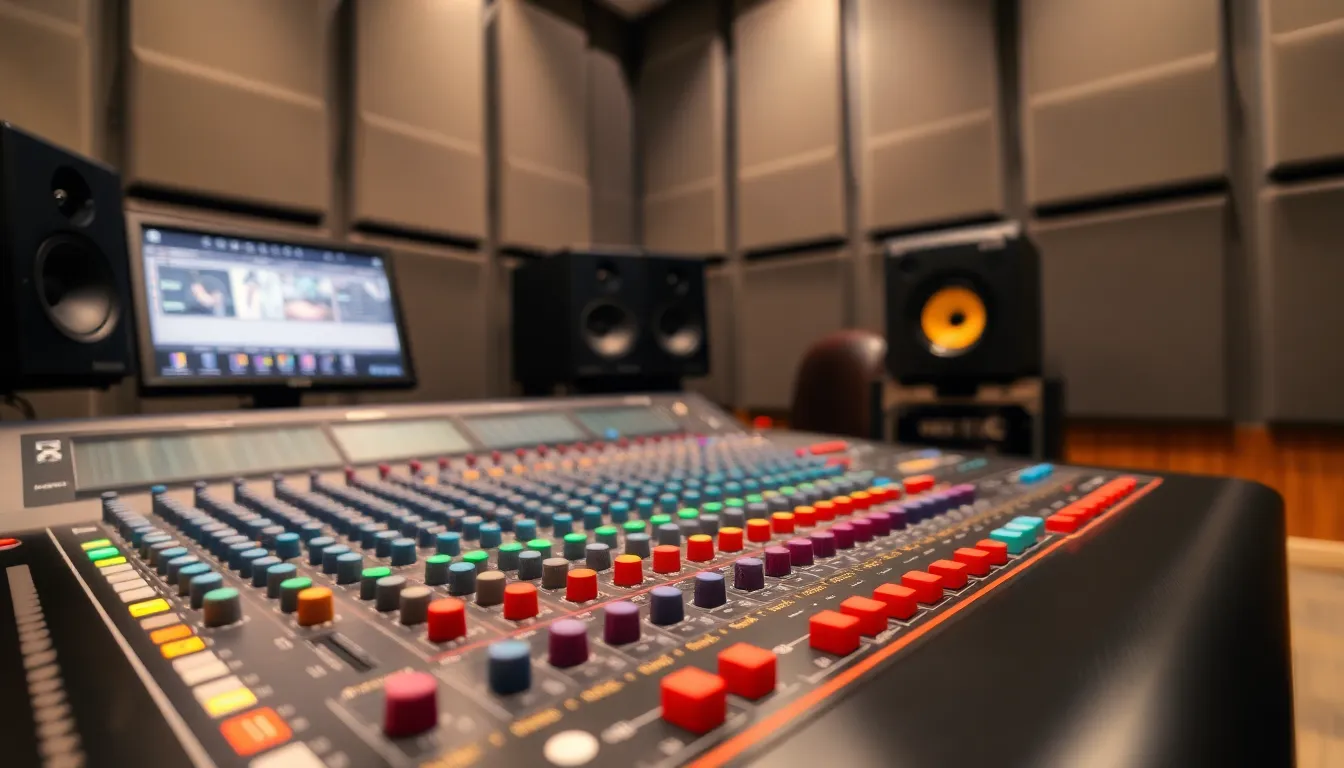
Streaming voice quality relies on several key technologies that optimize audio for better user experiences. Understanding these technologies helps improve overall satisfaction with streaming services.
Codecs and Their Impact
Codecs play a vital role in audio transmission. They compress and decompress audio data, influencing the clarity and fidelity of sound. For instance, AAC and Opus codecs deliver superior quality at lower bitrates, making them popular choices for many streaming platforms. Quality can suffer during heavy compression, resulting in muffled or distorted audio. Choosing the right codec directly affects voice intelligibility and emotional nuances, shaping how audiences connect with content.
Streaming Protocols and Latency
Streaming protocols determine how audio data moves from servers to devices. Protocols like RTP and RTMP prioritize real-time communication, reducing latency for live broadcasts. In contrast, protocols like HLS and DASH buffer content, which can introduce delays. High latency can disrupt conversations, making dialogue harder to follow. Selecting appropriate streaming protocols directly benefits user experiences by minimizing interruptions and enhancing engagement with content.
Measuring Streaming Voice Quality
Measuring streaming voice quality involves various common metrics and specialized tools to assess audio performance effectively.
Common Metrics Used
One commonly used metric is Mean Opinion Score (MOS), which gauges user satisfaction through ratings ranging from one to five. Another important unit is packet loss, which indicates the percentage of data packets lost during transmission, directly affecting audio clarity. Latency also matters; it measures the delay between audio transmission and reception, influencing real-time communication experiences. Jitter refers to the variation in packet arrival times, impacting smooth audio playback. Lastly, the bitrate reflects the amount of data processed per second, with higher rates generally providing better voice quality.
Tools for Evaluation
Several tools exist for evaluating streaming voice quality. Audacity serves as a popular, free tool for editing and analyzing audio while providing insights into sound quality. Another option is VoIP Spear, which focuses on monitoring voice over IP services, offering detailed metrics on latency and jitter. Additionally, Wireshark can analyze network traffic to identify issues, providing information on packet loss during streaming. For real-time testing, services like PingPlotter visualize connection performance, making it easier to pinpoint potential issues affecting audio quality.
Challenges in Streaming Voice Quality
Streaming voice quality faces several challenges that can hinder the listening experience. Addressing these issues is vital for ensuring optimal audio clarity and user satisfaction.
Network Variability
Network variability significantly affects streaming voice quality. Fluctuations in internet speed can result in inconsistent audio performance. High latency, caused by poor connection, disrupts real-time audio communication. Packet loss impacts clarity, leading to choppy audio and missed dialogue. Jitter complicates matters further by introducing delays in audio delivery. Users often find these disruptions frustrating, especially during critical listening moments. Reliable connections and sufficient bandwidth are necessary for maintaining steady voice quality.
Device Compatibility Issues
Device compatibility issues can undermine the effectiveness of streaming audio. Not all devices support advanced codecs, which can affect audio fidelity. Older devices may struggle to render high-quality sound, resulting in muffled or distorted audio. Variations in speaker quality across devices further complicate the listening experience. As a result, users encounter disparities in voice clarity, even when the same audio file streams. Addressing compatibility barriers helps ensure that viewers enjoy consistent audio across different platforms and devices.
Future Trends in Streaming Voice Quality
Advancements in streaming voice quality emerge through continuous technological innovation and industry predictions. These trends aim to enhance user experiences and audio clarity.
Advances in Technology
Enhanced codecs, like AAC and Opus, improve audio compression without sacrificing quality. New protocols prioritize real-time communication, minimizing latency and disruptions. Innovations in artificial intelligence optimize audio processing, enhancing speech intelligibility. Devices with improved hardware capabilities now support richer audio outputs, making high-fidelity sound more accessible. Continuous development in adaptive bitrate streaming ensures audio quality adjusts based on network conditions. Such technologies play a crucial role in elevating the overall listening experience for users.
Predictions for the Industry
Industry experts foresee increased integration of AI-driven solutions in optimizing audio experiences. The trend toward personalized audio options is expected to rise, allowing users to tailor sound profiles to their preferences. Subscription services may adopt advanced audio performance metrics, impacting consumer choices. Increased competition among streaming platforms will likely heighten the focus on audio quality as a differentiator. Emerging technologies may transform how consumers interact with audio, promoting immersive experiences in various formats. Such trends will define the future of streaming voice quality, emphasizing clarity and user satisfaction.
Improving streaming voice quality is essential for an enjoyable viewing experience. By understanding the factors that influence audio clarity and the technologies available, users can make informed choices about their streaming setups. Whether it’s selecting the right codec or optimizing their environment, small adjustments can lead to significant enhancements in sound quality.
As technology continues to evolve, staying informed about emerging trends and solutions will be crucial. Embracing advancements like AI-driven audio processing and adaptive bitrate streaming can further elevate the listening experience. Ultimately, prioritizing voice quality not only enriches individual enjoyment but also shapes the future landscape of streaming services.